The majority of the network had been running overnight. Access points across the arenas, bars, welfare, medic, and production were all live well before anyone arrived on site. Friday morning the team deployed across the key positions — ticketing, the car park lanes, and the live-in vehicle areas — to make sure everything ran smoothly from gate open.
Gates opened at 10am. Around 10,000 people came onto the site.
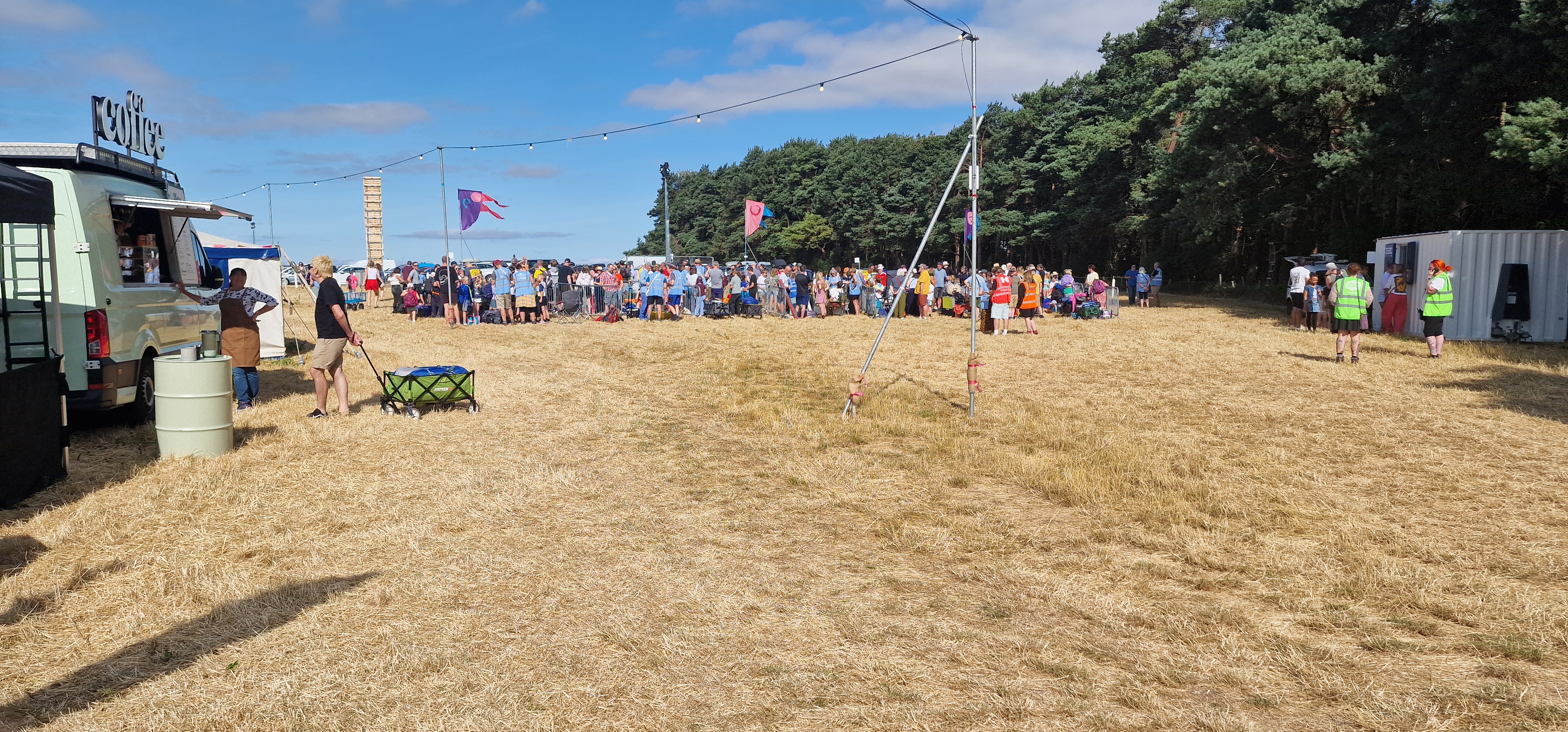
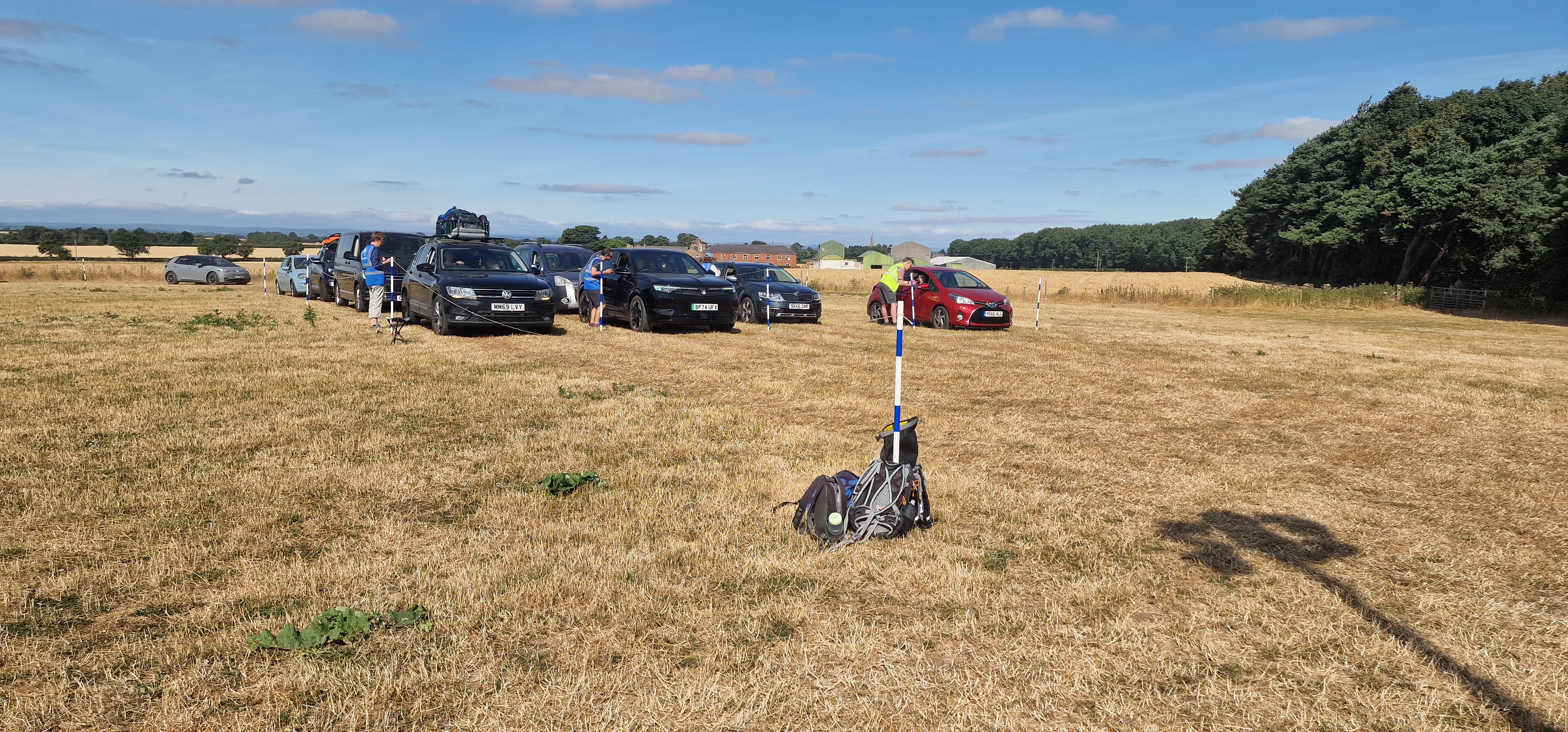
The main arrival rush ran for about an hour and a half. Ticketing scanners, access control, car park management — all running without issue across that period. By mid-morning the bulk of the site was in and things settled down.
By 3pm the priority shifted. With everyone on site, set up, and into the festival, attention moved to the vendors and bars as people entered the main arena. Every card terminal, every bar system, every food vendor — all hitting the network as the afternoon got going. The team remained deployed and monitoring throughout.
The Network Across the Site
The dashboard screenshot below is from Friday morning with the festival live. Every access point across the site reporting connected — ticketing, camping, the arenas, main bar, welfare, medic, accreditation, the school field, the gate.
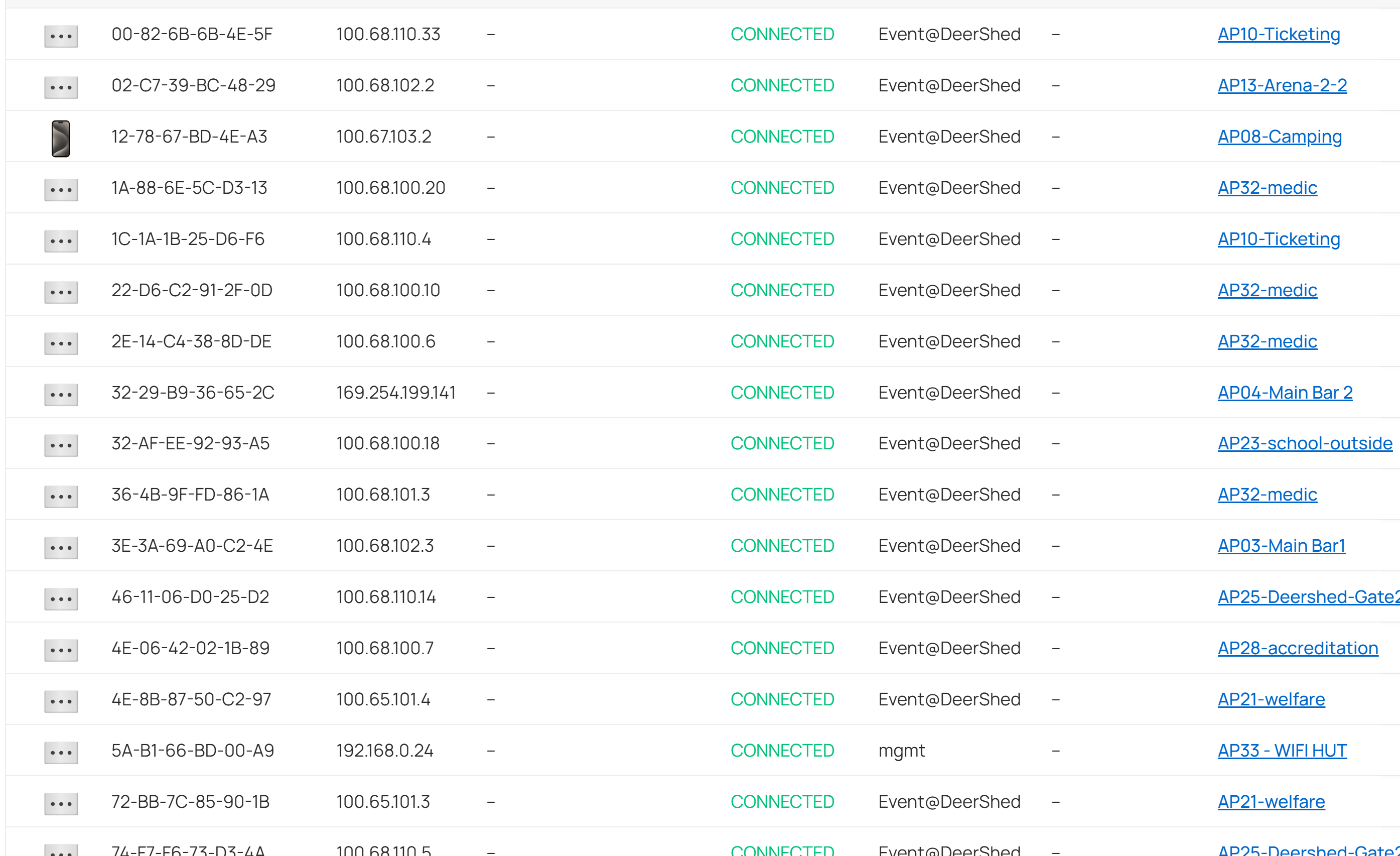
The AP names give a sense of the coverage required: AP10-Ticketing, AP13-Arena-2-2, AP08-Camping, AP32-medic, AP04-Main Bar 2, AP25-Deershed-Gate, AP28-accreditation, AP21-welfare, AP23-school-outside. Each one a separate zone, all running back to the infrastructure built over the previous four days.
What the Network Is Supporting
It is worth being clear about what is actually running across this network. The WiFi infrastructure is the backbone for the operational technology the event runs on.
Ticketing and access control at the gates runs on Kaboodle devices — the handheld scanners and entry systems that process every wristband on site. Vendor payments across the bars and food stalls run on NOQ — the cashless payment and ordering platform used throughout the festival. Both systems depend entirely on the network being stable and available across the relevant zones.
Staff communications and operational coordination across the site run on it too. The network is not a convenience for attendees — it is the operational infrastructure the event cannot function without.
Arena 1 — Before and After
These shots were taken Friday morning before the gates opened.
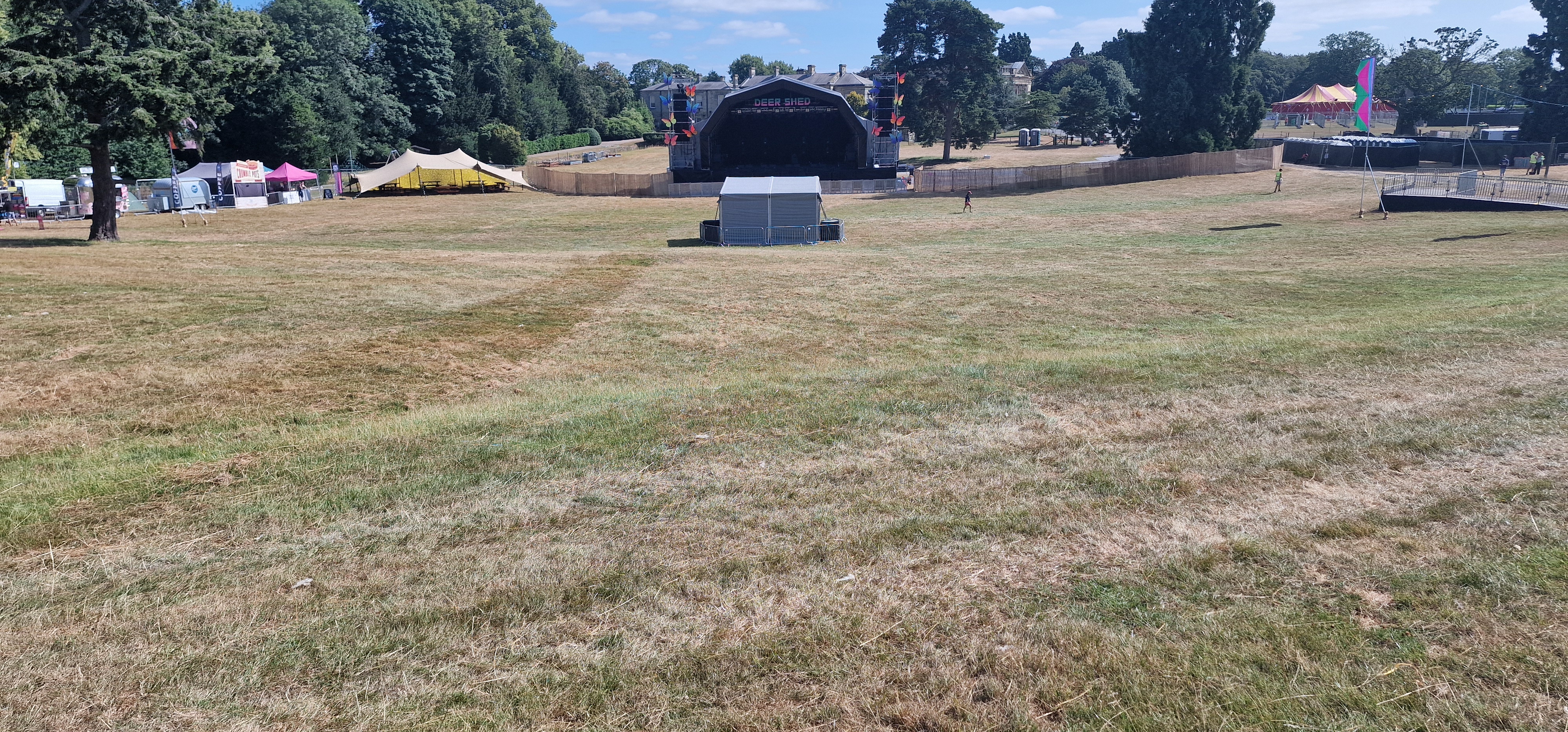
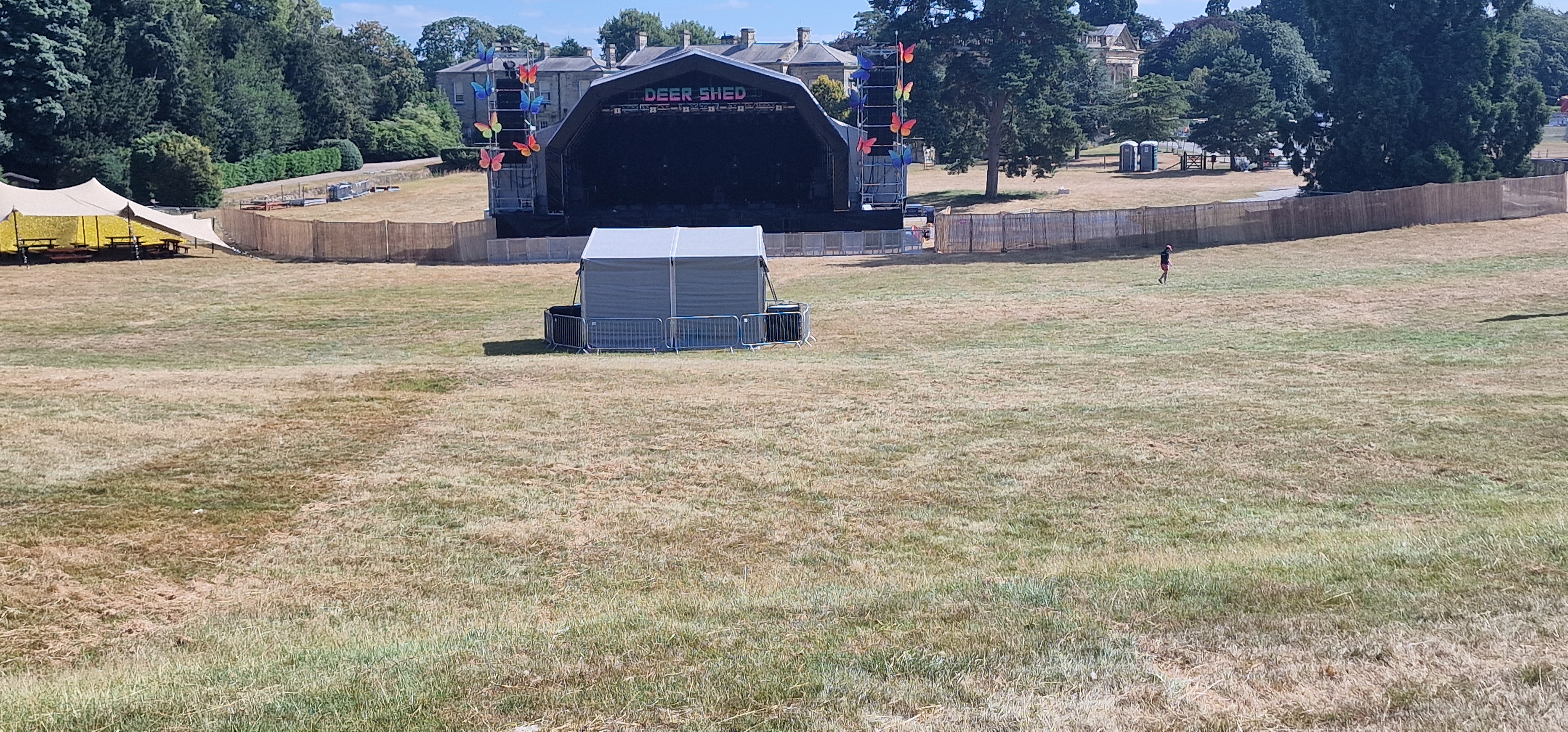
By the afternoon it looked rather different.
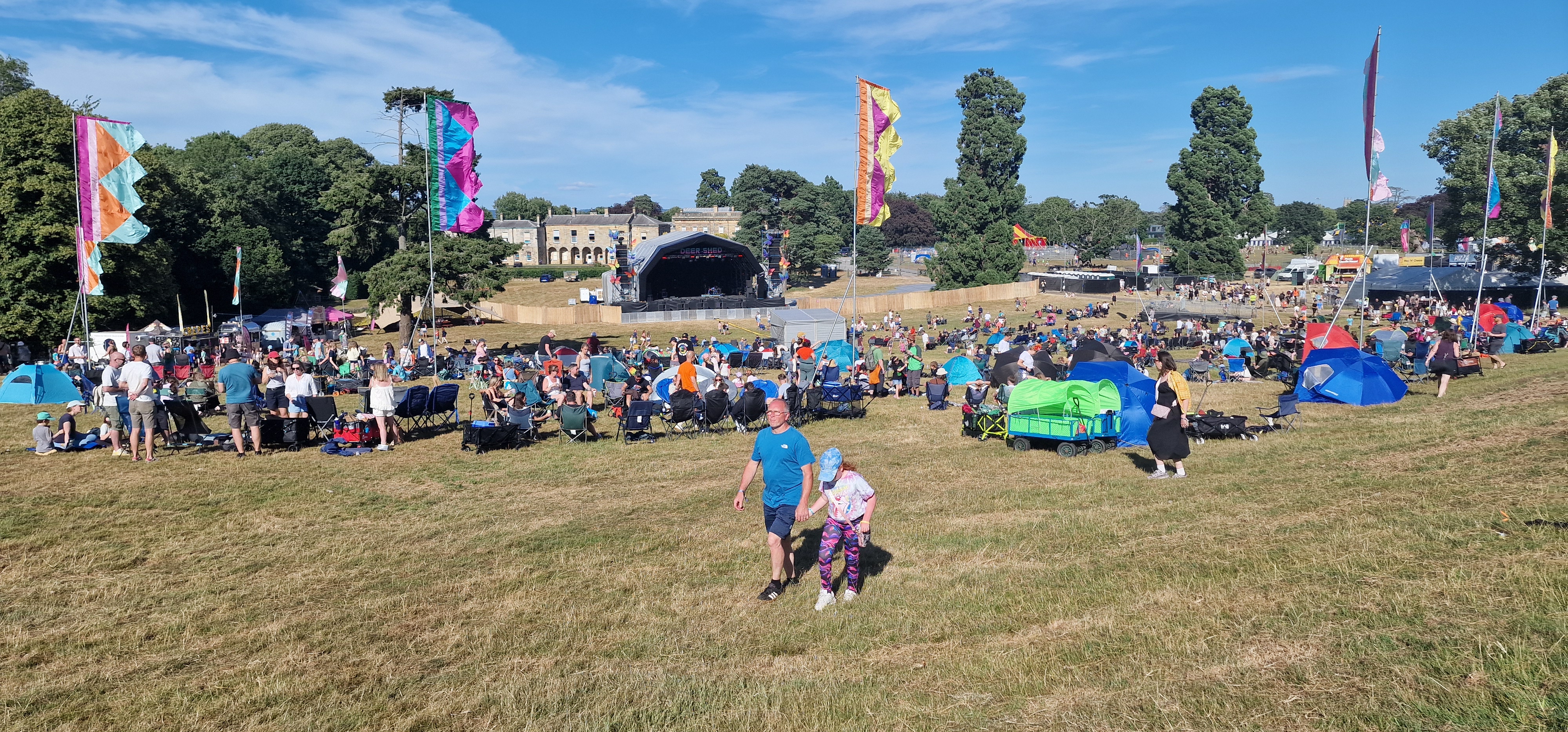
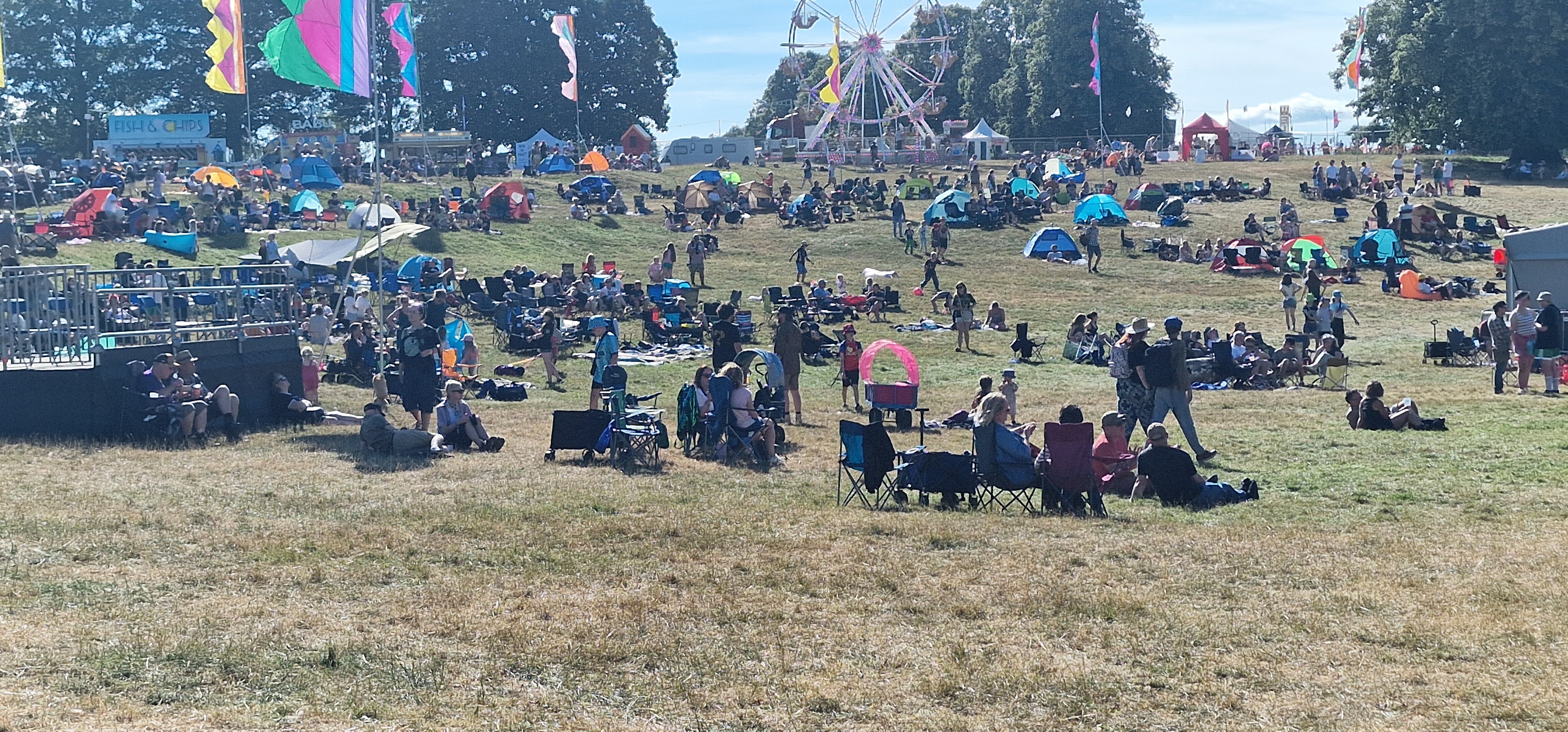
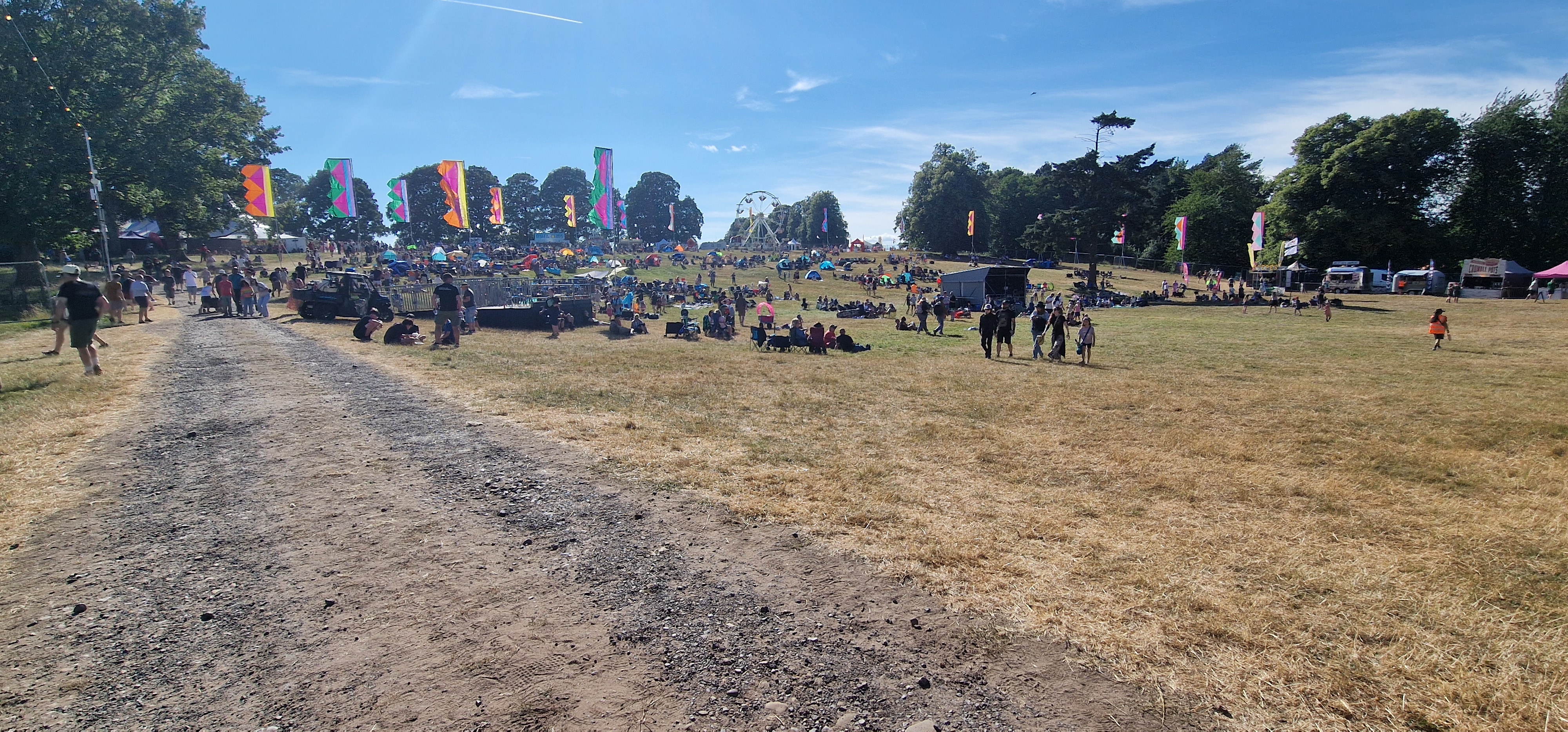
The festival is going well. Everyone is enjoying themselves — good weather, good atmosphere.
Into the Evening
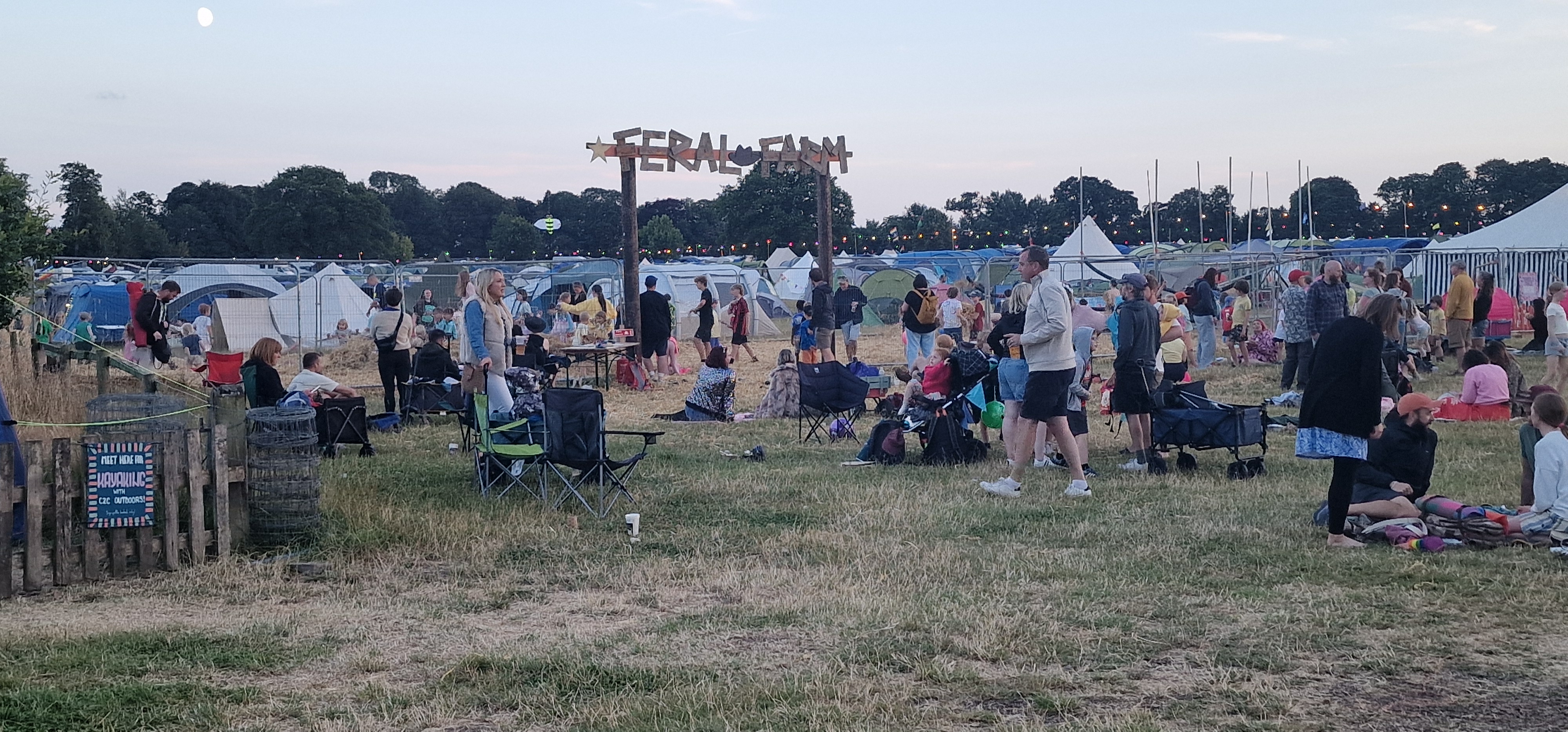
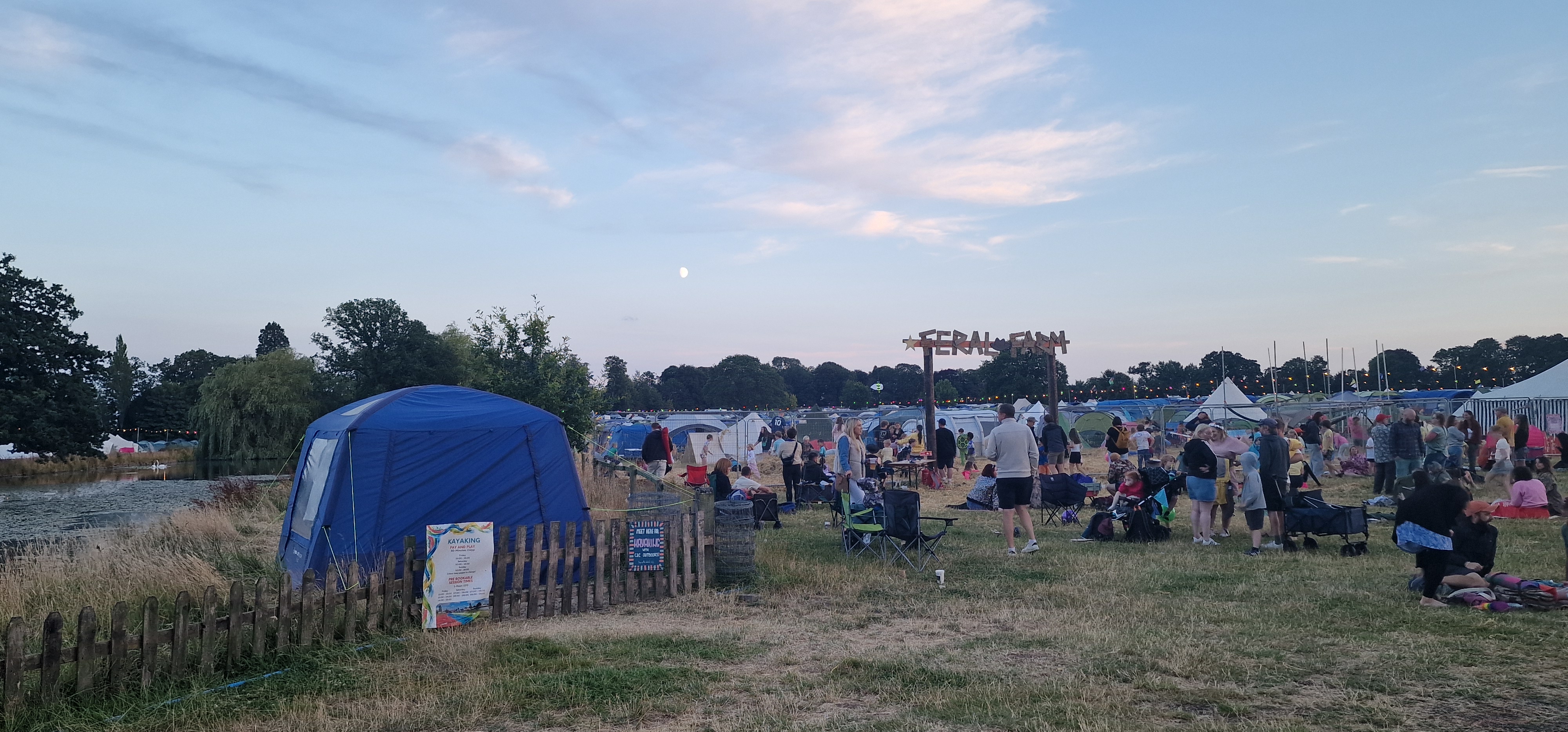
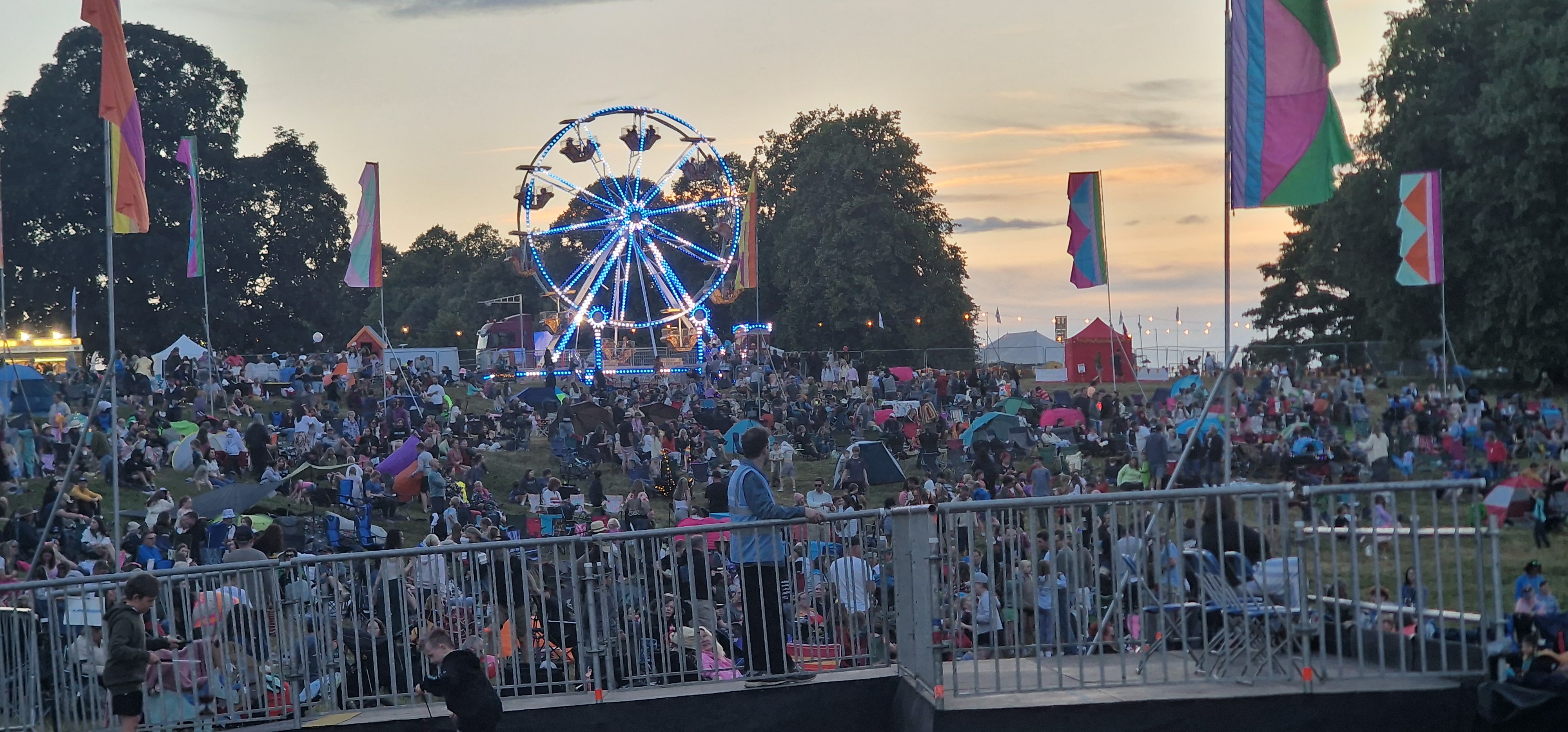
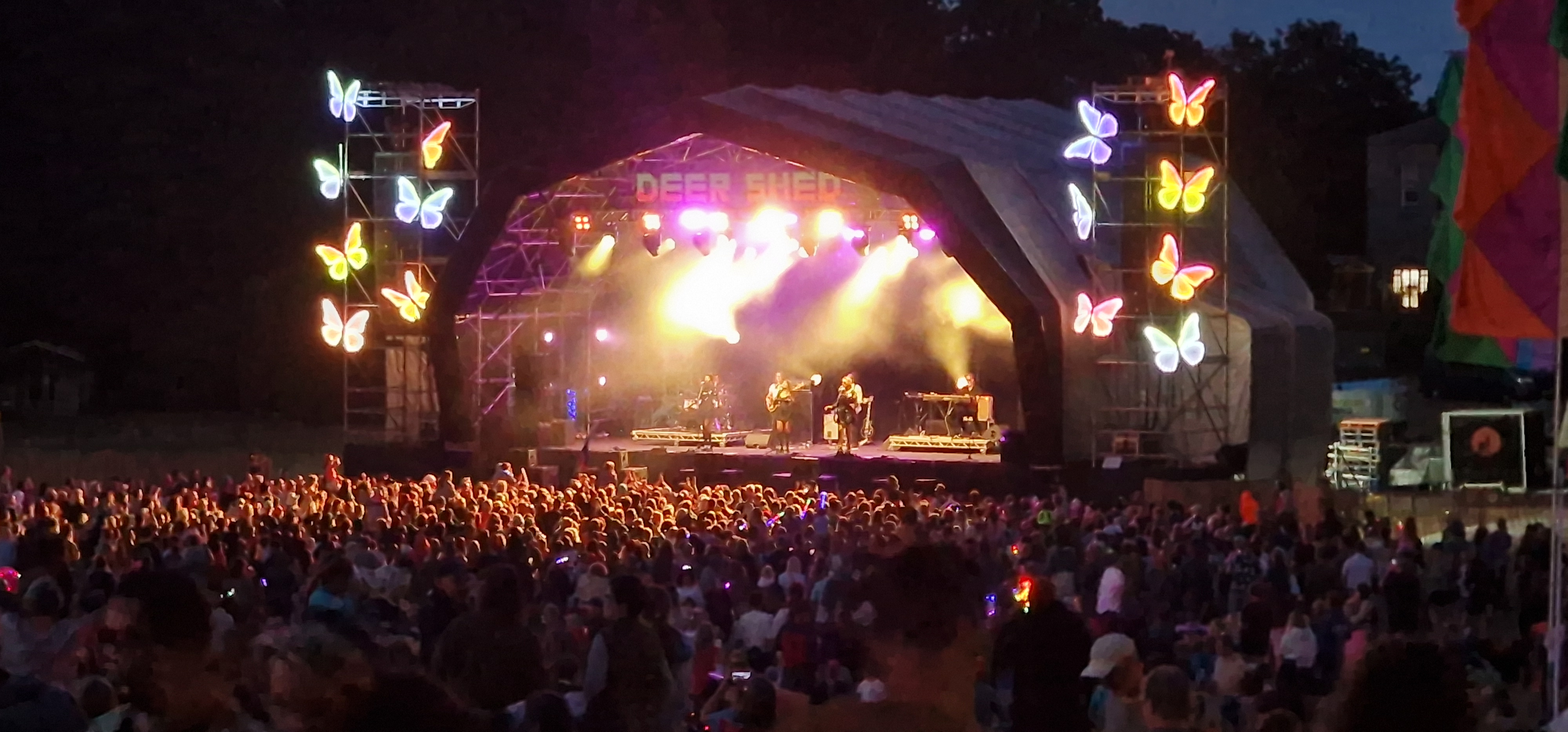
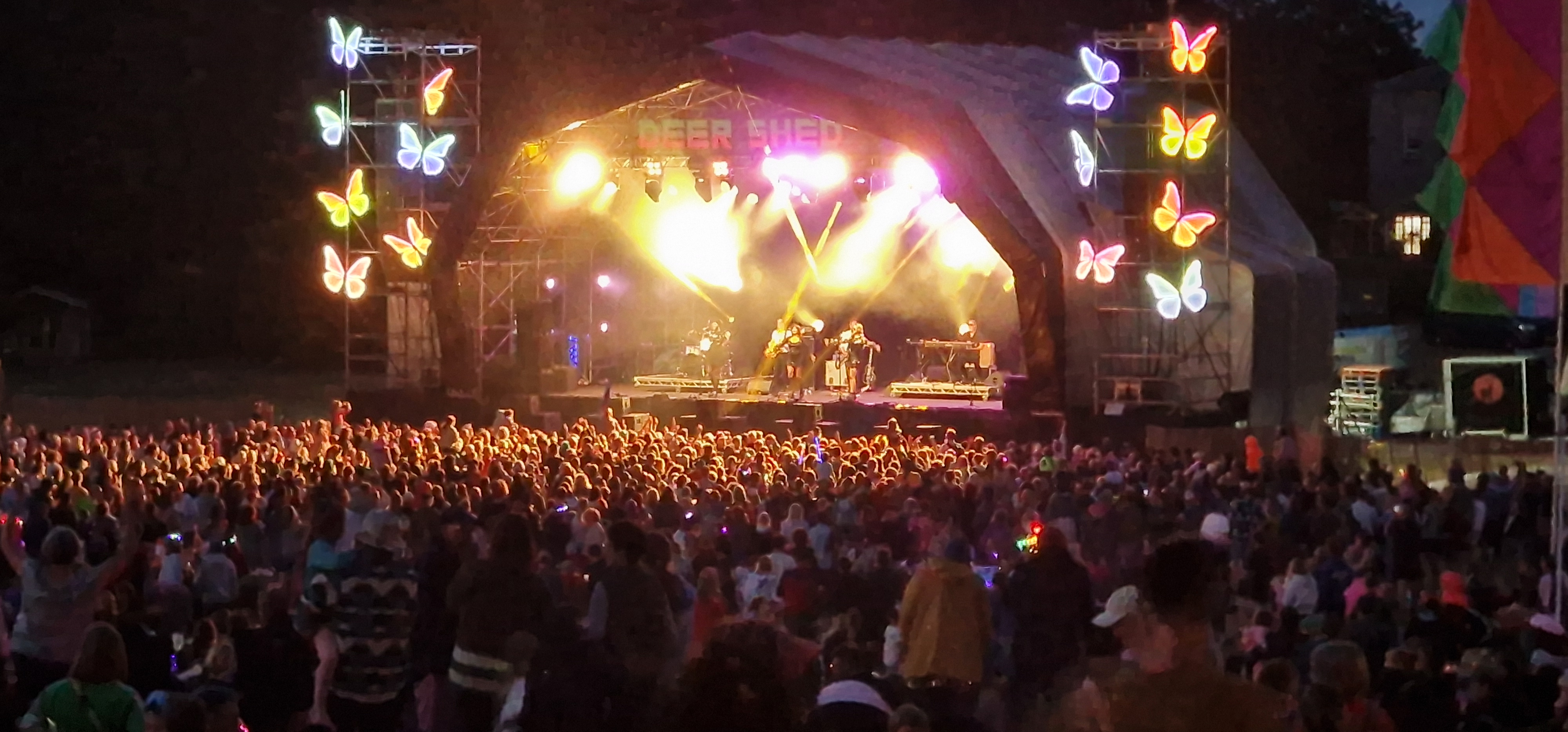
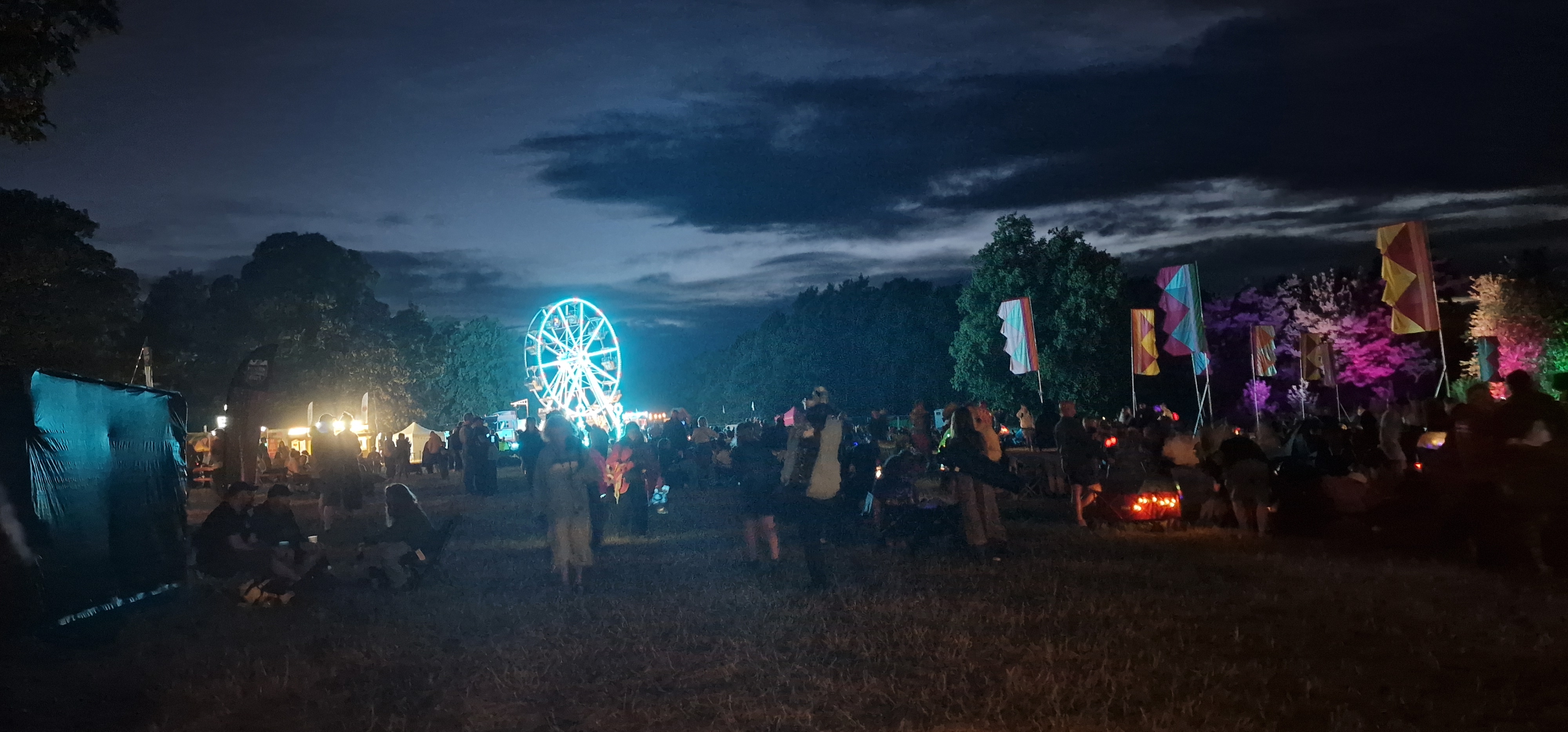
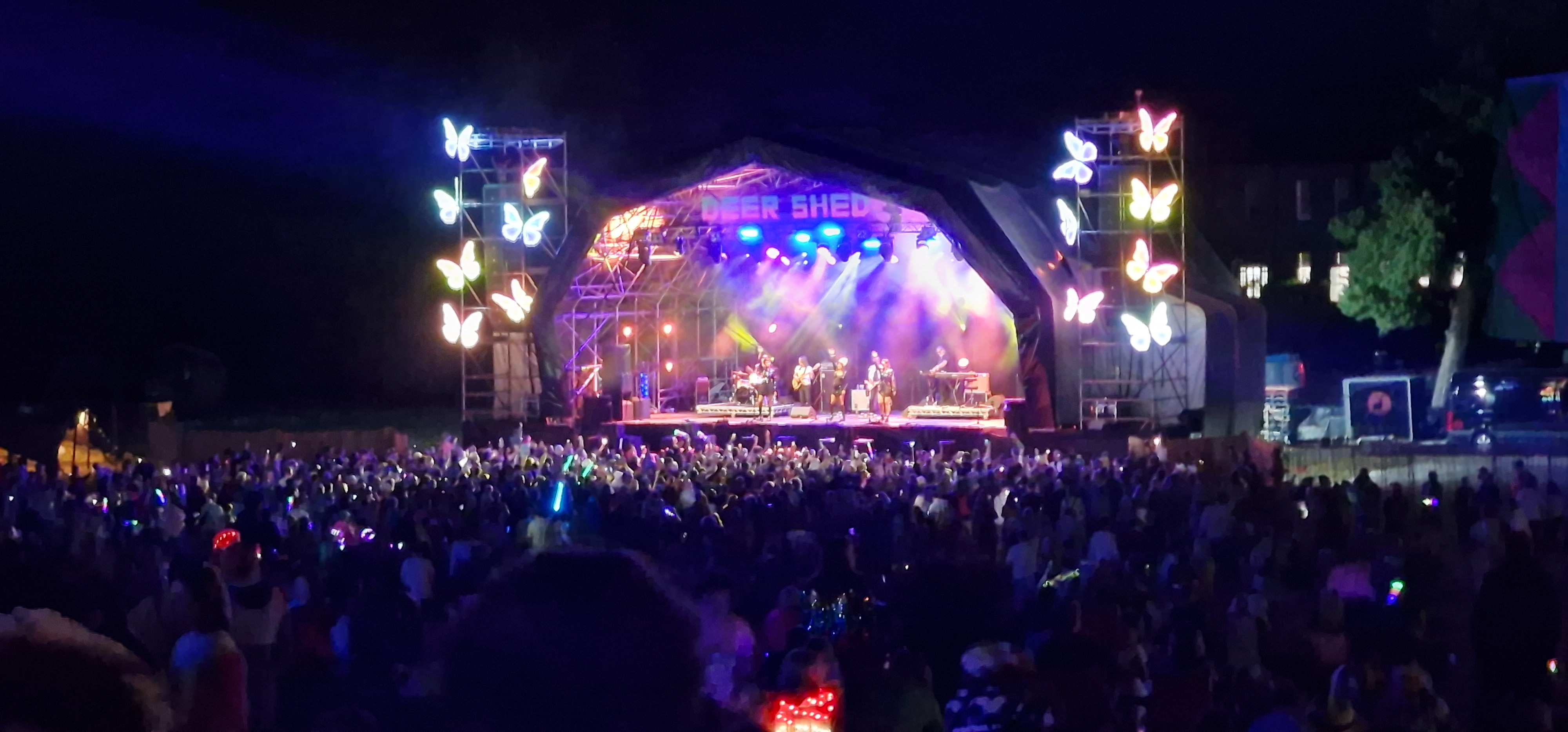
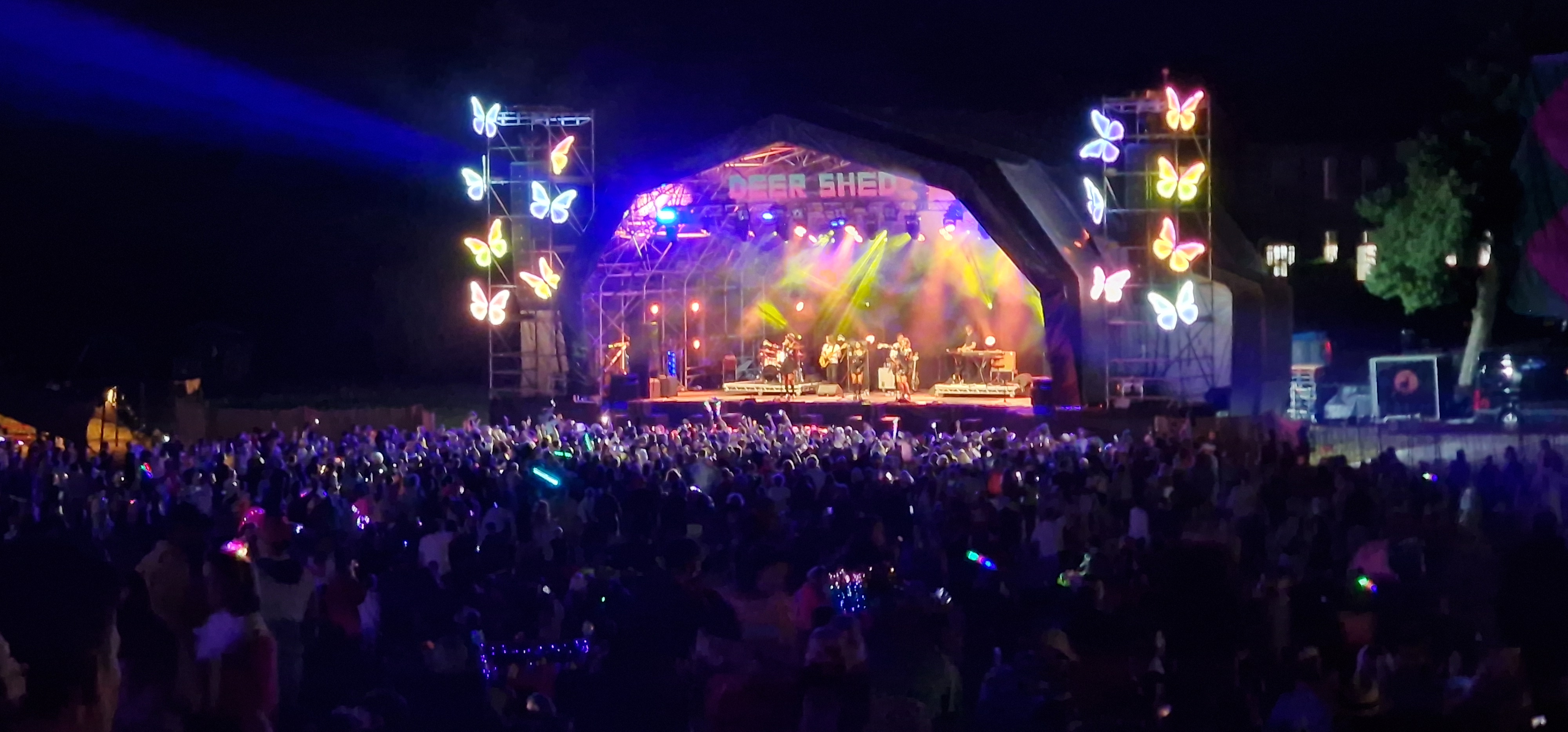
As the day moved into evening the site took on a different character. The camping fields were full, the Feral Farm area buzzing, the ferris wheel lighting up against the sky.
On Rota
With the festival now fully live, the team move onto a rota. Coverage runs from 7am to midnight for the arena and general site, with 24-hour support maintained for critical services — medical and fire among them. The support desk back in the cabin continues to run throughout.
It is the last night on site for the team as a full group. Two more days of festival, then strip on Monday.
Full wrap-up with numbers and lessons learned to follow after the festival closes. High Tide Group · hightidegroup.net · 01429 818332